Old Janome sewing machine manuals are essential guides for operating and maintaining vintage Janome models‚ offering historical insights and practical advice for sewists; These manuals provide detailed instructions for threading‚ troubleshooting‚ and utilizing advanced features‚ ensuring longevity and functionality of classic machines. They serve as valuable resources for collectors and enthusiasts‚ preserving the legacy of Janome’s innovative sewing technology since the 1920s.
Overview of Janome Sewing Machines
Janome sewing machines are renowned for their durability‚ versatility‚ and innovative features‚ catering to both beginners and advanced sewists. With a history dating back to the 1920s‚ Janome (formerly Pine Sewing Machine Company) introduced the first automatic zigzag sewing machine‚ revolutionizing home sewing. Their models range from mechanical to computerized machines‚ embroidery units‚ and sergers‚ offering a wide array of stitch options‚ thread tension control‚ and customization capabilities. Vintage Janome machines are prized for their robust construction and ease of use‚ making them popular among sewing enthusiasts who value reliability and timeless design. These machines have stood the test of time‚ remaining essential tools for crafting and repair. Janome’s commitment to quality and innovation has solidified its reputation as a leader in the sewing industry‚ with models like the Horizon Quilt Maker and Memory Craft series showcasing its dedication to advancing sewing technology. Whether for quilting‚ embroidery‚ or everyday sewing‚ Janome machines continue to inspire creativity and productivity.
Importance of Manuals for Maintenance and Troubleshooting
Manuals for old Janome sewing machines are indispensable for proper maintenance and troubleshooting. They provide step-by-step guides for tasks like threading‚ bobbin winding‚ and stitch selection‚ ensuring optimal performance. Detailed diagrams and troubleshooting sections help users identify and resolve common issues‚ such as thread tension problems or needle breakage. These manuals also include parts lists and maintenance tips to extend the machine’s lifespan. Without them‚ diagnosing and repairing vintage models becomes challenging. Manuals are essential for preserving the functionality and longevity of classic Janome machines‚ making them invaluable for sewists who rely on these durable‚ timeless devices for their crafting needs.
Where to Find Old Janome Sewing Machine Manuals
Old Janome sewing machine manuals can be found on the official Janome website‚ third-party retailers like Sewing Machines Plus‚ and dedicated sewing forums or communities online.
Official Janome Website and Resources
The official Janome website offers a comprehensive library of sewing machine manuals‚ including older models. Users can search by model number or product name to find specific guides. The site provides downloadable PDFs‚ ensuring easy access to instructions for maintenance‚ troubleshooting‚ and operation. Additionally‚ Janome’s resources include detailed diagrams and step-by-step tutorials‚ making it a reliable source for both vintage and modern machines. This official platform is a go-to for enthusiasts seeking authentic and accurate information to keep their Janome sewing machines in optimal condition.
Third-Party Retailers and Online Marketplaces
Third-party retailers and online marketplaces provide a wealth of resources for locating old Janome sewing machine manuals. Websites like Sewing Machines Plus and Toews Sewing offer downloadable PDF manuals for various Janome models‚ both vintage and modern. These platforms allow users to search by model number or product name‚ ensuring quick access to the specific guide they need. Many third-party sellers also offer additional sewing-related resources‚ such as troubleshooting tips and project tutorials; These marketplaces are invaluable for enthusiasts seeking rare or hard-to-find manuals‚ making it easier to maintain and operate their Janome machines effectively.
Dedicated Sewing Communities and Forums
Dedicated sewing communities and forums are invaluable resources for locating old Janome sewing machine manuals. Enthusiasts often share rare manuals‚ tips‚ and troubleshooting advice within these groups. Websites like Sewing Machines Plus and Toews Sewing host extensive collections of downloadable PDF manuals for various Janome models. Additionally‚ forums and social media groups focused on vintage sewing machines frequently exchange scans of out-of-print manuals. These platforms foster collaboration and support among sewing enthusiasts‚ ensuring that even hard-to-find guides for older Janome models remain accessible. They also provide a space for users to discuss maintenance‚ repairs‚ and creative projects‚ making them indispensable for preserving sewing heritage.
Understanding the Content of Janome Manuals
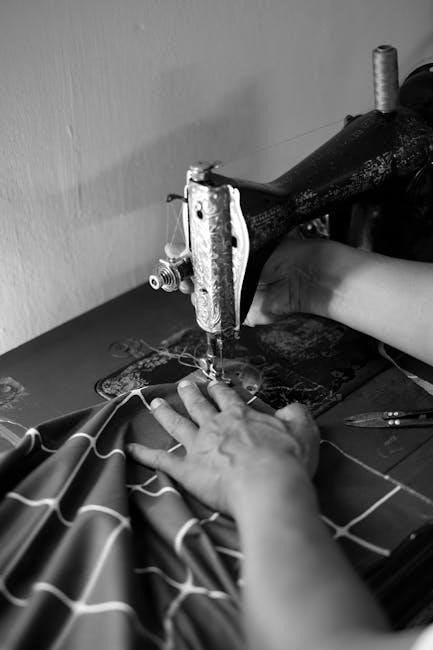
Janome manuals contain essential instructions for threading‚ bobbin winding‚ and stitch selection‚ along with troubleshooting guides for common issues like thread tension and needle problems. They also cover advanced features such as embroidery settings and customization options‚ ensuring users can fully utilize their machine’s capabilities. Detailed diagrams and step-by-step instructions make these manuals indispensable for both beginners and experienced sewists‚ helping them maintain and optimize their Janome sewing machines effectively.
Essential Sections: Threading‚ Bobbin Winding‚ and Stitch Selection
Janome manuals dedicately cover threading‚ bobbin winding‚ and stitch selection‚ providing clear‚ step-by-step instructions. These sections are vital for proper machine operation and fabric compatibility. Detailed diagrams illustrate thread paths and bobbin placement‚ ensuring accuracy. Stitch selection guides help users choose appropriate patterns for various fabrics and projects. Troubleshooting tips address common issues like thread tension and bobbin winding errors. These sections are designed to empower users‚ from beginners to experienced sewists‚ to master their machines’ core functions effectively‚ making them indispensable for achieving professional results in sewing and embroidery projects.
Advanced Features: Embroidery‚ Quilting‚ and Customization Options
Janome manuals detail advanced features like embroidery‚ quilting‚ and customization‚ empowering users to explore creative possibilities. These guides explain how to use embroidery units‚ adjust stitch patterns‚ and employ quilt-specific functions. Customization options‚ such as memory stitch storage and pattern editing‚ are thoroughly covered. The manuals also provide tips for optimizing embroidery hoops and managing complex designs. For enthusiasts and professionals alike‚ these sections unlock the full potential of Janome machines‚ enabling intricate embroidery‚ precise quilting‚ and personalized stitching. Detailed instructions ensure seamless operation of these advanced functions‚ making them accessible to users of all skill levels.
Troubleshooting Guides and Common Issues
Janome manuals include comprehensive troubleshooting guides to address common issues like thread tension problems‚ bobbin jams‚ and needle breakage. They provide step-by-step solutions for identifying and resolving errors‚ ensuring optimal machine performance. Detailed diagrams and illustrations help users locate and fix issues quickly. The manuals also cover frequently encountered problems such as incorrect stitch formation‚ fabric feeding difficulties‚ and embroidery errors. By offering practical advice and maintenance tips‚ these guides empower users to diagnose and repair problems independently‚ extending the lifespan of their machines and enhancing their sewing experience.
Tips for Using Old Janome Manuals Effectively
Tips for Using Old Janome Manuals Effectively
Refer to the diagrams for clarity‚ follow step-by-step guides for easy learning‚ and use the troubleshooting section for quick solutions to common issues.
Step-by-Step Guides for Beginners
Old Janome manuals provide clear‚ detailed instructions for beginners‚ covering basic operations like threading‚ bobbin winding‚ and stitch selection. These guides often include diagrams to illustrate proper techniques‚ ensuring users can master fundamental skills. For example‚ models like the Janome 670 and 205D feature sections dedicated to setting up the machine‚ adjusting thread tension‚ and selecting appropriate stitches for various fabrics. Step-by-step instructions are designed to be user-friendly‚ helping new sewists build confidence and proficiency; These guides are essential for understanding machine mechanics and troubleshooting common issues‚ making them invaluable for anyone starting their sewing journey with a vintage Janome machine.
Visual Aids: Diagrams and Illustrations
Old Janome manuals are enriched with detailed diagrams and illustrations‚ making complex tasks easier to understand. These visuals guide users through threading‚ bobbin winding‚ and stitch selection‚ ensuring proper machine setup. Diagrams often highlight specific parts‚ such as tension dials or presser feet‚ while illustrations demonstrate fabric handling and embroidery techniques. For models like the Janome 670 and 205D‚ these visuals are invaluable for troubleshooting and maintenance. The inclusion of exploded views for internal mechanisms helps users identify components‚ while step-by-step images simplify tasks like pattern cam installation. These visual aids enhance the learning experience‚ making vintage Janome manuals indispensable for sewists of all skill levels.
Troubleshooting Common Problems
Old Janome manuals address common issues like thread tension and needle breakage‚ offering practical solutions for maintaining smooth operation and fabric compatibility‚ ensuring optimal sewing performance always.
Thread Tension and Bobbin Issues
Old Janome manuals often address thread tension and bobbin issues‚ which are common problems in vintage sewing machines. Improper thread tension can lead to uneven stitching or fabric puckering‚ while incorrect bobbin winding may cause jams or thread breakage. Manuals provide step-by-step guidance on adjusting tension dials‚ cleaning bobbin cases‚ and ensuring proper thread flow. They also include troubleshooting tips for identifying and resolving these issues‚ such as checking for tangled threads or misaligned bobbin spindles. Regular maintenance‚ as outlined in the manuals‚ helps prevent these problems‚ ensuring smooth operation and extending the machine’s lifespan.
Needle and Fabric Compatibility
Old Janome manuals emphasize the importance of using the right needle and fabric combination for optimal sewing results. Different fabrics‚ such as cotton‚ silk‚ or denim‚ require specific needle types to prevent damage or uneven stitching. Manuals provide detailed charts and guidelines to help users select the correct needle size and type for their projects. They also offer tips on adjusting settings for various fabrics‚ ensuring proper tension and stitch quality. Troubleshooting sections often address issues caused by needle or fabric incompatibility‚ helping users identify and resolve problems efficiently. This guidance ensures seamless sewing experiences and extends the machine’s performance life.

The Evolution of Janome Manuals Over Time
Janome manuals have evolved from print to digital formats‚ offering enhanced accessibility and detailed guides. They now include advanced features‚ improved diagrams‚ and user-friendly instructions for modern sewists.
From Print to Digital Formats
Janome manuals have transitioned from traditional print to digital formats‚ enhancing accessibility for users. PDF downloads are now widely available‚ offering convenient access to instructions for various models. This shift ensures that both vintage and modern machines can be operated efficiently. Digital manuals often include searchable content‚ making it easier to find specific information quickly. Additionally‚ they reduce storage space and environmental impact compared to physical copies. Many retailers and sewing communities provide these manuals online‚ catering to the needs of sewists who prefer digital resources. This evolution reflects Janome’s commitment to meeting the demands of a tech-savvy generation while preserving essential guidance for older models.
Advancements in Manual Content and Design
Janome manuals have evolved significantly‚ offering clearer instructions and enhanced visual aids like diagrams and step-by-step guides. Modern manuals feature improved organization‚ making it easier to locate specific information quickly. Troubleshooting sections have become more detailed‚ addressing common issues with practical solutions. Digital versions incorporate interactive elements‚ such as searchable content and zoom capabilities‚ enhancing user convenience. The design now prioritizes readability with larger fonts and color-coded sections. These advancements ensure that users of both vintage and newer Janome machines can operate and maintain their devices with greater ease and confidence‚ reflecting Janome’s commitment to user-friendly resources.
The Importance of Preserving Old Manuals
Preserving old Janome manuals ensures the longevity of vintage machines‚ offering historical value and practical guidance for maintenance and repair. They remain indispensable for enthusiasts and collectors.
Historical Significance for Sewing Enthusiasts
Old Janome sewing machine manuals hold immense historical value‚ offering insights into the evolution of sewing technology and craftsmanship. They document the transition from mechanical to computerized machines‚ showcasing innovations like embroidery and quilting features. For enthusiasts‚ these manuals are treasured artifacts‚ revealing how earlier models laid the groundwork for modern sewing. They also highlight the adaptability of Janome machines‚ catering to diverse sewing needs over decades. Collectors and historians appreciate these manuals as they provide a detailed timeline of Janome’s contributions to the sewing industry‚ making them indispensable for understanding the progression of sewing practices and techniques.
Practical Value for Maintaining Vintage Machines
Old Janome sewing machine manuals are invaluable for maintaining vintage models‚ offering detailed maintenance schedules and repair tips. They provide step-by-step guides for threading‚ bobbin winding‚ and adjusting tension‚ ensuring machines run smoothly. Troubleshooting sections help diagnose common issues like thread breaks or needle problems. These manuals also include parts diagrams‚ aiding in identifying and replacing worn components. For collectors and enthusiasts‚ they are essential for preserving the functionality and longevity of vintage Janome machines‚ allowing users to enjoy their craftsmanship and performance for years to come. This practical guidance makes old manuals indispensable for keeping classic sewing machines operational and efficient.