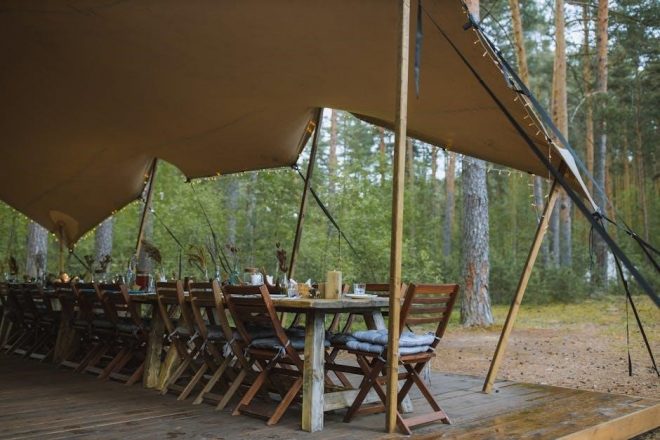
Party Tent Instructions: A Comprehensive Guide
Planning a successful outdoor event hinges on a well-setup party tent‚ offering shelter and a focal point for guests to enjoy festivities comfortably.
Party tents are indispensable for hosting successful outdoor events‚ providing crucial shelter from the elements and creating a dedicated space for celebrations. They transform any backyard‚ park‚ or open area into a comfortable and inviting gathering spot‚ shielding guests from sun‚ rain‚ and even wind.
Choosing the right party tent involves considering factors like event size‚ anticipated weather conditions‚ and desired aesthetic. From intimate backyard barbecues to large-scale weddings‚ a suitable tent enhances the overall experience. Understanding the different types available – pop-up‚ frame‚ pole‚ and marquee – is the first step towards a stress-free setup and a memorable occasion. Proper installation and securing are paramount for safety and enjoyment.
Types of Party Tents
Party tents come in a variety of styles‚ each suited to different needs and preferences. Understanding these distinctions is key to selecting the best option for your event. Pop-up tents‚ also known as instant tents‚ offer unparalleled ease of setup‚ making them ideal for spontaneous gatherings. Frame tents provide a stable‚ freestanding structure without central poles‚ maximizing usable space.
Pole tents‚ characterized by their classic look and central support‚ are well-suited for larger events. Finally‚ marquee tents represent a more elegant and often larger-scale option‚ frequently used for formal occasions. Each type presents unique setup considerations and benefits‚ influencing your choice based on convenience‚ space requirements‚ and aesthetic desires.
Pop-Up Tents (Instant Tents)
Pop-up tents‚ celebrated for their swift and straightforward setup‚ are a fantastic choice for those prioritizing convenience. These tents typically come pre-assembled with the frame integrated into the canopy. To deploy‚ simply release the securing straps and watch as the tent springs into shape.

Securing these tents is equally simple‚ usually involving stakes driven through the provided loops at the tent’s base. Ensure stakes are firmly planted at an angle for optimal hold. While easy to erect‚ pop-up tents may offer less structural rigidity than other types‚ making them best suited for calm weather conditions.
Frame Tents
Frame tents distinguish themselves with a robust‚ self-supporting frame‚ eliminating the need for central poles and maximizing interior space. Assembly begins with connecting the frame pieces – typically aluminum poles – to form a stable structure. Once the frame is complete‚ the canopy is draped over it and secured with clips or Velcro straps.

Proper tensioning of the canopy is crucial to prevent sagging and ensure a neat appearance. Frame tents offer excellent stability and are well-suited for various events; Securing them involves staking down the frame’s feet and potentially using sidewalls for added wind resistance.
Pole Tents
Pole tents are characterized by a central pole supporting the canopy‚ creating a classic tent silhouette. Setup begins with firmly securing the center pole into the ground‚ often using a base plate or driven directly into the earth. Subsequently‚ multiple side poles are raised and connected to the center pole‚ lifting the canopy.
These tents require more precise setup than frame tents‚ demanding careful pole placement and tensioning. Securing involves staking down all pole bases and utilizing a network of ropes extending from the canopy to ground stakes‚ ensuring stability‚ especially in windy conditions.
Marquee Tents
Marquee tents represent a more elaborate and often larger option‚ frequently used for formal events and weddings. They typically feature a sturdy frame construction‚ often incorporating decorative elements like draping and sidewalls. Setup usually requires professional assistance due to their size and complexity‚ involving assembling a robust framework.

Marquee tents offer greater customization options and can accommodate a significant number of guests. Securing these tents is paramount‚ employing a combination of weighted bases‚ robust staking‚ and extensive rope systems to withstand various weather conditions. Proper anchoring ensures both safety and aesthetic appeal.
Essential Tools & Materials
Successfully erecting a party tent demands having the right tools and a complete understanding of the tent’s components. Beyond the tent itself‚ preparation is key. A heavy-duty mallet is crucial for driving stakes securely into the ground‚ while strong rope is essential for guy lines‚ providing stability against wind.
A sufficient quantity of stakes‚ appropriate for the ground type‚ is non-negotiable. Consider a measuring tape for accurate placement and potentially a level to ensure a flat setup. Having work gloves protects your hands‚ and a ladder might be needed for larger tents.
Tent Components Checklist
Before beginning setup‚ verify all tent components are present. This prevents frustrating delays mid-process. First‚ confirm you have the canopy – the main waterproof covering. Next‚ check for the frame poles‚ ensuring the correct number and types are included‚ whether straight or curved.
Crucially‚ locate all stakes and guylines (ropes) – sufficient quantities are vital for stability. Don’t forget connectors and clips used to join poles and attach the canopy. Some tents include sidewalls for added enclosure; verify their presence. Finally‚ inspect for any repair patches or a repair kit‚ just in case!
Required Tools (Mallet‚ Rope‚ Stakes‚ etc.)
Successful tent setup demands the right tools. A mallet is essential for driving stakes firmly into the ground – a rubber mallet prevents damage. Heavy-duty stakes‚ appropriate for your ground type (sand‚ grass‚ etc.)‚ are non-negotiable for securing the tent. Extra rope or guy lines provide additional anchoring points‚ especially in windy conditions.

Consider a measuring tape to ensure proper spacing and alignment. Work gloves protect your hands‚ and a level can help with ground adjustments. A utility knife proves useful for cutting rope or opening packaging. Finally‚ a friend or two can significantly speed up the process – teamwork makes the dream work!
Site Preparation
Proper site preparation is paramount for a safe and stable tent setup. Begin by carefully inspecting the chosen location for any underground utilities or obstructions like tree roots. Ensure ample space around the tent perimeter for staking and guy lines – avoid areas with limited clearance.
Next‚ address the ground’s condition. Remove any rocks‚ sticks‚ or debris that could damage the tent floor or pose a tripping hazard. Leveling the ground is crucial; even slight inclines can compromise stability. Consider using leveling materials if necessary. A well-prepared site ensures a secure and enjoyable event.
Choosing the Right Location
Selecting the ideal location significantly impacts your party tent’s stability and guest comfort. Prioritize a flat‚ level surface to prevent wobbling and ensure even weight distribution. Avoid areas prone to water accumulation‚ especially if rain is anticipated. Consider proximity to power sources if you plan to use lighting or entertainment.
Also‚ think about accessibility for guests and potential wind exposure. Sheltered spots offer better protection. Ensure sufficient space around the tent for setup‚ walkways‚ and potential expansion. A thoughtfully chosen location enhances the overall event experience and minimizes setup challenges.

Ground Leveling & Clearing
Before erecting your party tent‚ meticulous ground preparation is crucial for safety and stability. Begin by removing all rocks‚ sticks‚ roots‚ and debris from the designated area; Even small objects can compromise the tent floor or pose tripping hazards. For slight inclines‚ use soil to level the ground‚ ensuring a consistently even surface.
More significant slopes may require professional leveling or choosing an alternate location. Compacting the soil improves stability‚ especially in softer ground. A well-prepared base prevents shifting and ensures a secure setup‚ contributing to a worry-free event.
Pop-Up Tent Setup Instructions
Pop-up tents‚ renowned for their swift deployment‚ simplify event preparation. Begin by carefully removing the tent from its carrying case‚ ensuring the release straps are undone. Gently toss the tent into the air; it should automatically unfold and extend into its upright position. However‚ exercise caution to avoid injury during this process.
Once extended‚ secure the tent using the provided stakes‚ hammering them firmly into the ground at each corner and along the sides. Utilize ropes to further stabilize the structure‚ tying them to the tent’s loops and anchoring them securely.
Unfolding and Extending the Tent
The initial step in pop-up tent setup involves carefully removing it from its storage bag. Locate and undo all release straps or buckles securing the folded tent; these are crucial for controlled expansion. With ample clear space‚ gently toss the tent upwards and outwards. It’s designed to spring open automatically‚ forming its basic structure.
Avoid forceful throwing‚ as this could damage the frame. If it doesn’t fully extend‚ gently manipulate the poles until they lock into place. Ensure all poles are securely connected before proceeding to the next step – securing the tent to the ground.
Securing with Stakes and Ropes
Once the pop-up tent is extended‚ securing it is paramount for stability‚ especially in unpredictable weather. Begin by inserting stakes through the designated loops or grommets at each corner of the tent. Drive the stakes into the ground at a 45-degree angle‚ away from the tent‚ ensuring they are firmly planted.
Next‚ attach ropes to the remaining loops and stake them out further from the tent’s perimeter. Tighten the ropes to create tension‚ pulling the canopy taut. Regularly check stake and rope security‚ adjusting as needed to maintain a stable and safe structure throughout your event.
Frame Tent Setup Instructions
Frame tents offer a robust and versatile shelter option‚ requiring a systematic approach to setup. Begin by laying out all frame components and identifying each part according to the manufacturer’s instructions. Assemble the frame sections‚ connecting poles using pins or connectors‚ forming a rectangular or square base.
Once the frame is complete‚ carefully lift it into an upright position. Next‚ drape the canopy over the assembled frame‚ aligning it with the corners and securing it using clips‚ Velcro straps‚ or ties. Finally‚ ensure the entire structure is stable and properly anchored using stakes and ropes.
Assembling the Frame
The initial step in setting up a frame tent involves meticulously assembling the supporting frame. Lay out all frame pieces on a flat‚ protected surface‚ separating poles by length and type. Connect the poles using the provided connectors – typically push-button locks or pins – ensuring a secure fit at each joint.
Work systematically‚ building the frame section by section‚ following the manufacturer’s diagram. Double-check each connection for stability before proceeding. Once all sections are joined‚ carefully lift the assembled frame‚ preparing for canopy attachment and final positioning.
Attaching the Canopy
With the frame fully assembled and upright‚ carefully drape the canopy over the structure. Ensure the canopy is centered‚ allowing equal overhang on all sides. Most canopies attach to the frame using clips‚ Velcro straps‚ or ties – systematically secure the canopy at each connection point‚ working your way around the entire perimeter.
Maintain consistent tension as you attach the canopy to prevent sagging or bunching. Once fully secured‚ inspect the canopy for any loose areas or gaps‚ making adjustments as needed. A properly attached canopy provides essential weather protection and a finished look.
Securing the Frame Tent
Once the canopy is attached‚ securing the frame tent is crucial for stability‚ especially in unpredictable weather. Begin by inserting stakes through the designated loops or rings at the base of each leg‚ driving them firmly into the ground at a 45-degree angle away from the tent.
Utilize guy ropes attached to the frame and stakes for added reinforcement‚ particularly in windy conditions. Ensure ropes are taut and evenly distributed. Regularly check stake and rope security throughout the event‚ adjusting as needed to maintain a safe and stable structure.
Pole Tent Setup Instructions
Pole tents require a bit more effort‚ relying on a central pole and surrounding poles for support. Begin by carefully setting up the center pole‚ ensuring it’s perfectly vertical and securely anchored to the ground – often with a base plate and weighted system.
Next‚ raise the side poles one by one‚ connecting them to both the center pole and the tent canopy. Once all poles are in place‚ carefully drape and attach the canopy‚ ensuring even tension. Finally‚ secure the tent with ropes and stakes‚ creating a taught and stable structure.
Setting Up the Center Pole
The central pole is the backbone of a pole tent‚ demanding precise setup for stability. Begin by positioning the pole base on a level surface‚ ideally using a base plate to distribute weight and prevent sinking. Carefully insert the pole into the canopy’s central opening‚ ensuring a snug fit.
Gradually raise the pole‚ frequently checking for vertical alignment using a level. Secure the pole with a winch or similar mechanism‚ tightening it to create tension in the canopy. Proper tension is crucial; too little and the tent sags‚ too much risks damage.
Raising the Side Poles
With the center pole secured‚ attention shifts to raising the side poles‚ providing the tent’s overall structure. Starting at one corner‚ insert a side pole into its designated socket on the tent frame. Lift the pole steadily‚ aligning it with the canopy’s edge and securing it with a pin or clamp.
Repeat this process for each side pole‚ working systematically around the tent. As each pole is raised‚ adjust the canopy fabric to ensure even distribution and prevent wrinkles. Maintaining consistent tension is vital for a stable and aesthetically pleasing setup.
Securing the Canopy and Ropes
Once the side poles are in place‚ focus on firmly attaching the canopy to the frame‚ ensuring a taut and weatherproof covering. Utilize clips‚ Velcro straps‚ or other fasteners provided with the tent to connect the canopy securely to each pole.
Next‚ attach ropes to the designated loops or grommets along the canopy’s perimeter. Extend these ropes outwards‚ anchoring them firmly to the ground using stakes driven at a 45-degree angle. Adjust rope tension to distribute stress evenly‚ preventing sagging or flapping in the wind.
General Tent Securing Techniques
Effective tent security relies on proper stake placement and robust rope tie-down methods. Stakes should be driven into the ground at a 45-degree angle‚ pointing away from the tent‚ to maximize holding power. Use a mallet to ensure they are fully seated‚ leaving only a small portion exposed.
For rope tie-downs‚ employ secure knots like the taut-line hitch‚ allowing for easy adjustment. Regularly inspect ropes for wear and tear‚ and re-tie if necessary. Consider using guylines – additional ropes extending from the tent to separate stakes – for enhanced stability‚ especially in challenging weather conditions.

Stake Placement & Angle
Correct stake placement is paramount for a secure party tent. Always drive stakes into the ground at a 45-degree angle‚ angling away from the tent structure itself. This orientation provides superior resistance against pulling forces exerted by wind or tent tension.
Ensure stakes are firmly embedded‚ leaving only a small portion visible above the ground. Avoid hammering directly onto the stake head‚ as this can bend or damage it. Utilize a mallet for consistent and effective driving. Space stakes evenly around the tent perimeter‚ considering the ground conditions – softer ground requires more stakes.
Rope Tie-Down Methods
Secure rope tie-downs are crucial for stabilizing your party tent‚ especially in unpredictable weather. Employ a taut-line hitch – a reliable knot allowing for easy adjustment of rope tension. Attach ropes to the tent’s designated anchor points‚ then securely loop them around stakes driven firmly into the ground.
Avoid creating excessively tight tension initially; gradually increase it to distribute stress evenly. Regularly inspect ropes for wear and tear‚ and re-tie if necessary. For enhanced security‚ consider using multiple tie-down points per rope‚ particularly on larger tents or in windy conditions.

Dealing with Wind & Weather
Unexpected weather can quickly disrupt an outdoor event‚ making proactive tent reinforcement essential. Before a storm‚ double-check all stakes and ropes‚ ensuring they are firmly anchored. Consider adding extra guy lines for increased stability‚ particularly on the windward side of the tent.
If strong winds are anticipated‚ weigh down tent legs with sandbags or water barrels. Regularly inspect the canopy for any signs of stress or damage. Ensure adequate water drainage around the tent to prevent pooling‚ which can add significant weight and compromise structural integrity.
Reinforcing Tent Security in Windy Conditions
When bracing for high winds‚ prioritize bolstering your party tent’s foundation. Supplement standard stakes with longer‚ heavier-duty options designed for challenging ground conditions. Employing a triangular rope configuration‚ rather than simple stakes‚ distributes stress more effectively.

Adding weight to the tent’s legs – using sandbags or water containers – significantly enhances stability. Regularly inspect ropes for tension and adjust as needed. Consider windbreaks‚ like strategically placed tarps or solid barriers‚ to reduce wind exposure. Never occupy a tent during severe weather; safety is paramount.
Water Drainage Considerations
Effective water management is crucial to prevent pooling and potential tent collapse during rainfall. Ensure the tent site isn’t in a natural drainage path or low-lying area prone to flooding. Slightly angling the tent during setup allows water to run off efficiently.
Consider digging shallow trenches around the perimeter to divert water away from the tent’s base. Regularly check for and remove any accumulated water on the canopy. Avoid creating puddles by ensuring the canopy is taut and properly secured. Proper drainage safeguards both your event and the tent itself.
Disassembly & Storage
Careful disassembly preserves your tent’s longevity and simplifies future setup; Begin by removing all stakes and ropes‚ then detach the canopy from the frame. Systematically collapse the frame‚ following the reverse order of assembly. Thoroughly inspect all components for damage – replace or repair as needed.
Before storing‚ ensure the tent is completely dry to prevent mildew. Clean the fabric with mild soap and water‚ removing dirt and debris. Store the tent in a cool‚ dry place‚ ideally in its original bag. Proper storage protects your investment for years of successful events.
Step-by-Step Disassembly Process
Begin by loosening and removing all stakes and ropes securing the tent. Carefully detach the canopy from the frame‚ usually involving unclipping or unscrewing fasteners. For frame tents‚ systematically disassemble the frame sections‚ starting with corner supports. Pole tents require lowering the center and side poles before canopy removal.
Fold the canopy neatly‚ avoiding sharp creases. Collapse the frame‚ bundling sections together for easier handling. Inspect each part during disassembly for damage. Finally‚ pack all components into the designated storage bag‚ ensuring a tidy and organized process for future use.

Cleaning and Drying the Tent
After disassembly‚ thoroughly inspect the tent fabric for dirt‚ debris‚ and mildew. Gently brush off loose particles using a soft-bristled brush. For stubborn stains‚ use a mild soap solution and a sponge‚ avoiding harsh chemicals. Rinse thoroughly with clean water to remove all soap residue.
Crucially‚ ensure the tent is completely dry before storage. Spread the canopy and frame components in a well-ventilated area‚ away from direct sunlight. Allowing moisture to remain can lead to mold and mildew growth‚ shortening the tent’s lifespan. Proper cleaning preserves its quality.
Proper Storage Techniques
Once completely dry‚ carefully fold the tent canopy according to the manufacturer’s instructions‚ avoiding sharp creases. Store the fabric in a large‚ breathable bag – never plastic – to prevent moisture buildup and mildew. Keep the frame components separate‚ ideally in their original packaging or labeled containers.
Importantly‚ choose a cool‚ dry storage location‚ away from direct sunlight and extreme temperatures. A garage‚ shed‚ or climate-controlled storage unit are suitable options. Regularly inspect the stored tent for any signs of damage or deterioration‚ ensuring it’s ready for its next use.